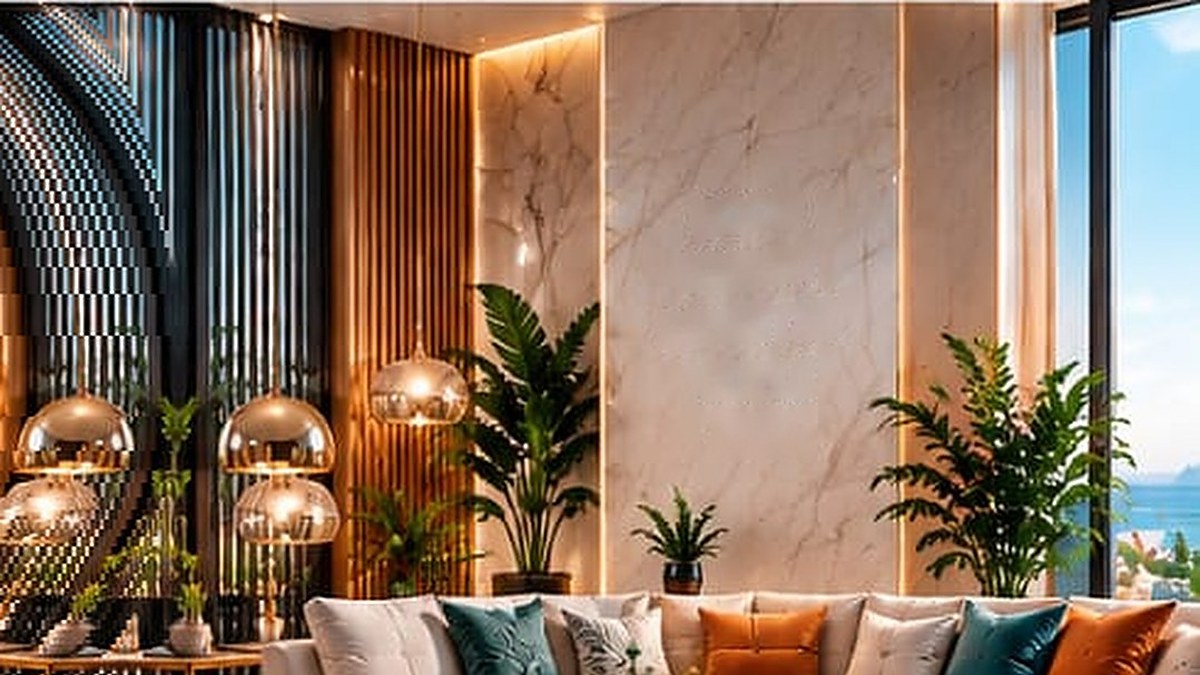
How to choose your home colours to suit the light and the space

Three practical steps for choosing wall colours: understand each room’s light, match the size of the space, and test the colour on the wall before you commit.
Colour is the quickest way to change how a room feels, and also one of the easiest decisions to regret when it is made from a small catalogue. These steps help you choose more calmly and more accurately.
1. Start by understanding the light
Rooms that get morning sun show colours warmer, while rooms facing the other way tend to have cooler light. Artificial light changes the look too: warm bulbs yellow pale colours, and cool ones make greys harsher. Choose the colour while thinking about the hours the room is actually used.
2. Link the colour to the size of the space
Light shades reflect light and make small spaces look larger; dark shades give large rooms warmth and depth but need good lighting. A dark colour on a single wall can highlight a feature without weighing the room down.
3. Test before you commit
Put a sample on the wall itself and look at it in the morning, in the afternoon and at night before deciding. A colour on paper or on a screen looks different from the same colour over a large surface.
4. Keep the base consistent and vary the details
Choosing two or three harmonious shades for the whole home gives a sense of unity; cushions, curtains and accessories then add the stronger colours easily, and are cheap to change later.
5. Think about the floor and the furniture
Wood tones, flooring and the furniture you already own are part of the colour palette. Choose the wall colour to work with them, not against them.
A decor engineer can suggest a complete palette after seeing the space, so you avoid repainting.
Note: this article is general information for awareness and does not replace the site visit and technical study of the place.